Welcome to China steel manufacturers!

Categories
Steel Plate
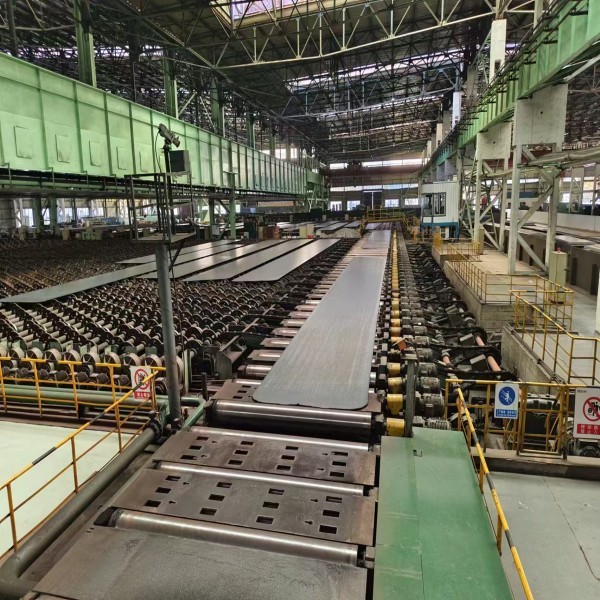
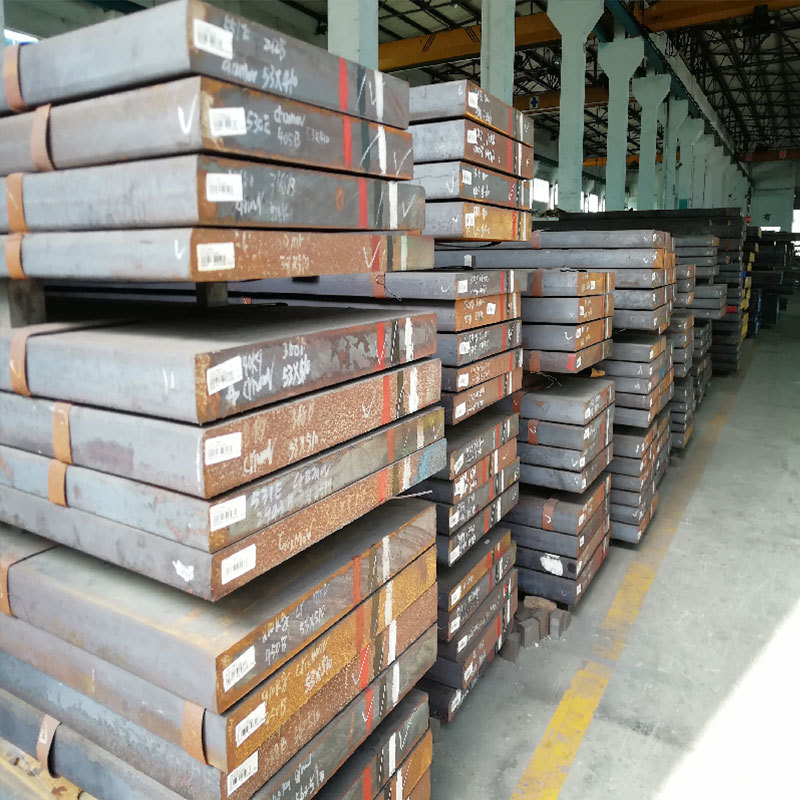
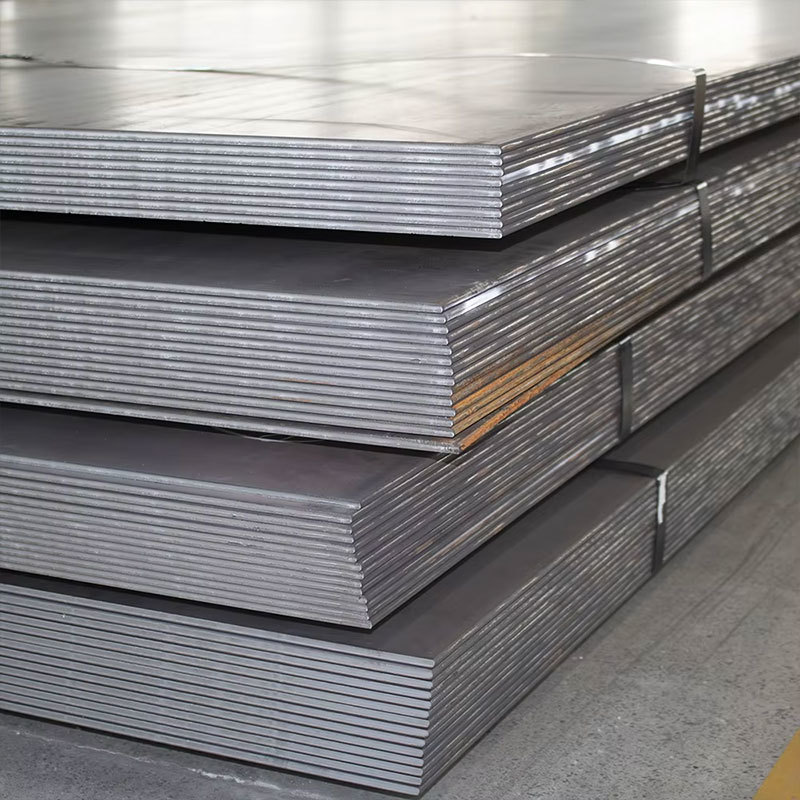
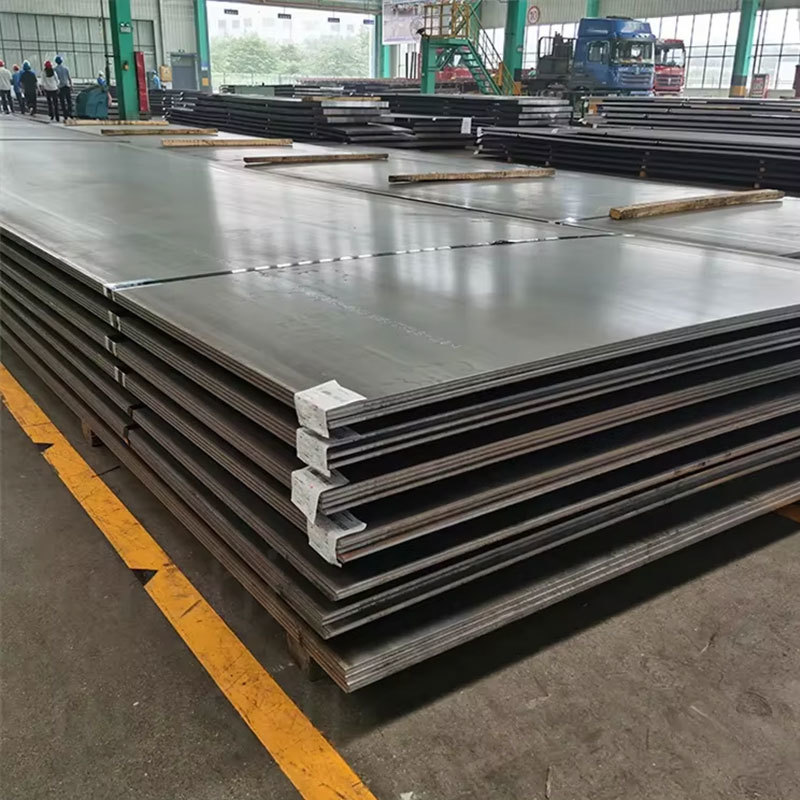
Carbon steel plate is a rectangular plate made of non-alloy material mainly composed of iron and carbon. In addition to carbon, it also contains a small amount of silicon, manganese, sulfur, phosphorus and other elements. The higher the carbon content, the better the hardness and the better the strength. Due to its good mechanical properties and plasticity, it is widely used in various fields.
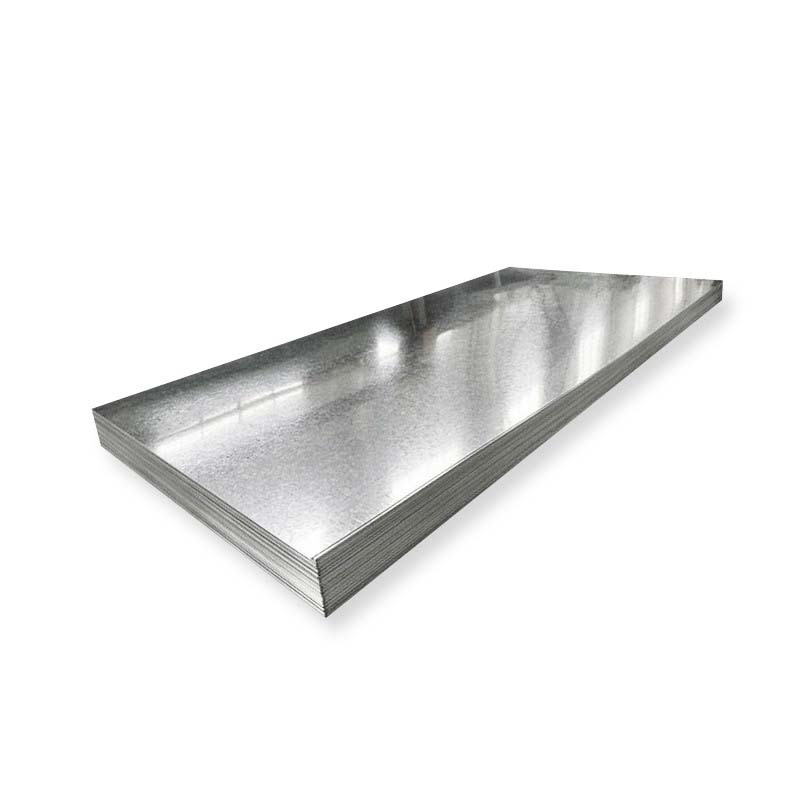
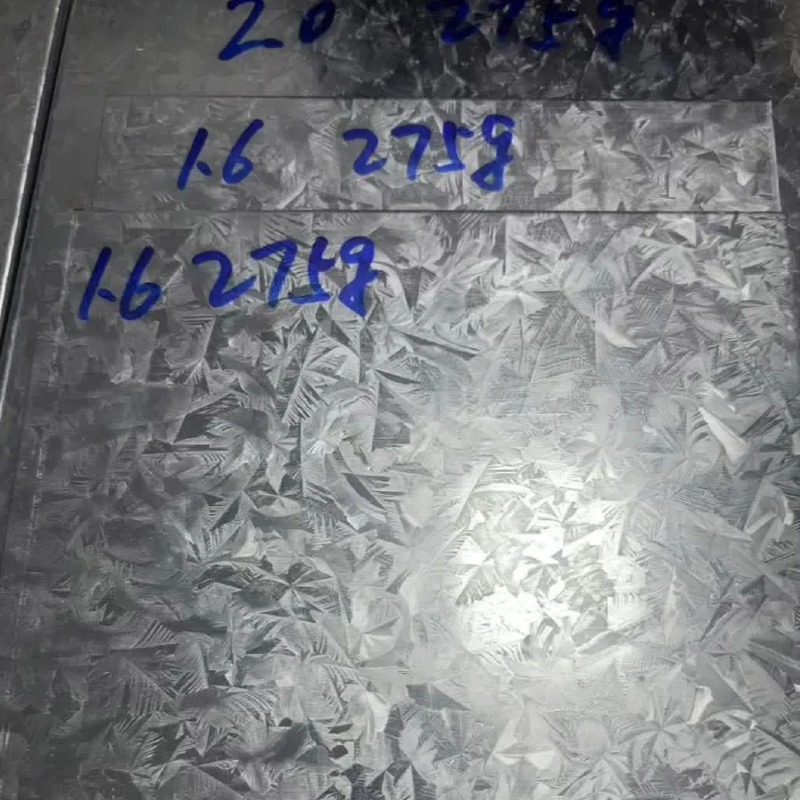
Galvanized coils are materials produced through a continuous hot-dip galvanizing process using hot-rolled steel strips or cold-rolled steel strips as the base plate. Hot-dip galvanized sheets are supplied as rectangular flat sheets after cross-cutting; hot-dip galvanized coils are supplied as rolls after being rolled.
Their main characteristics are: strong corrosion resistance, good surface quality, conducive to deep processing, economical and practical, etc.
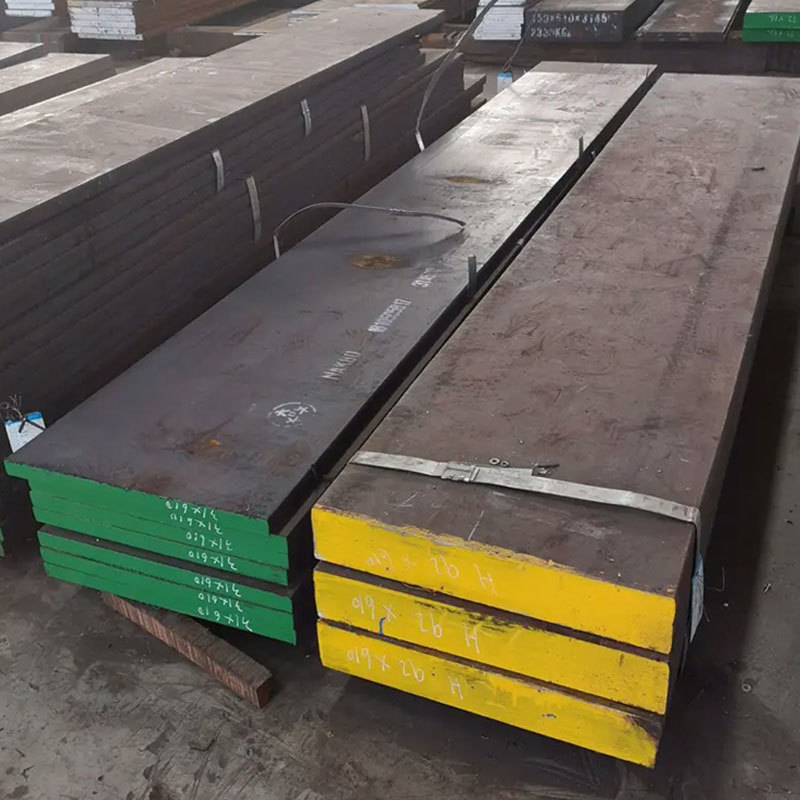
G90 refers to the coating type and coating weight on the steel coil or steel plate. "G" means that the coating is galvanized, that is, galvanized. Meanwhile, the number "90" represents the weight of zinc on the steel. G90 galvanized steel coil is hot-dip galvanized cold-rolled steel sheet to improve durability.
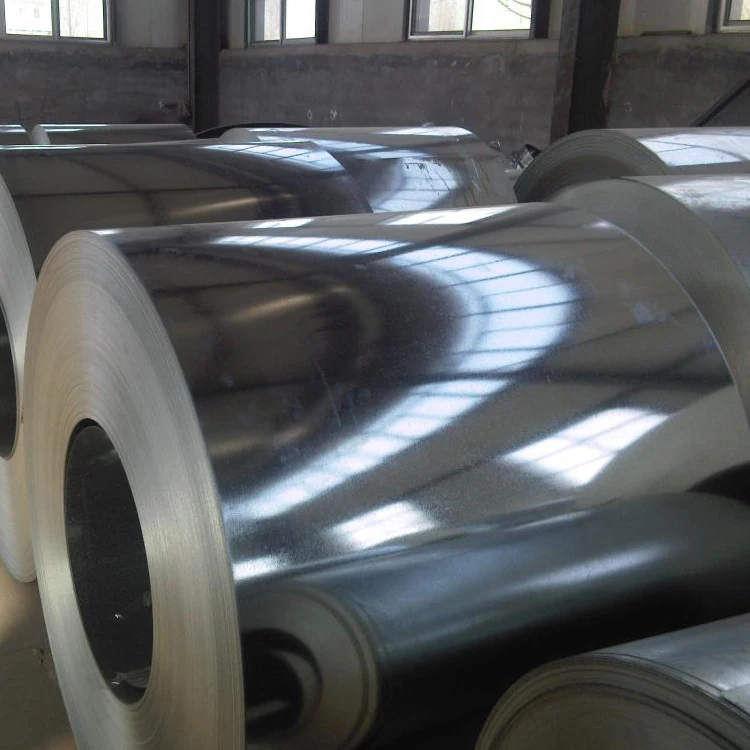
G90 refers to the coating type and coating weight on the steel coil or steel plate. "G" means that the coating is galvanized, that is, galvanized. Meanwhile, the number "90" represents the weight of zinc on the steel. G90 galvanized steel coil is hot-dip galvanized cold-rolled steel sheet to improve durability.
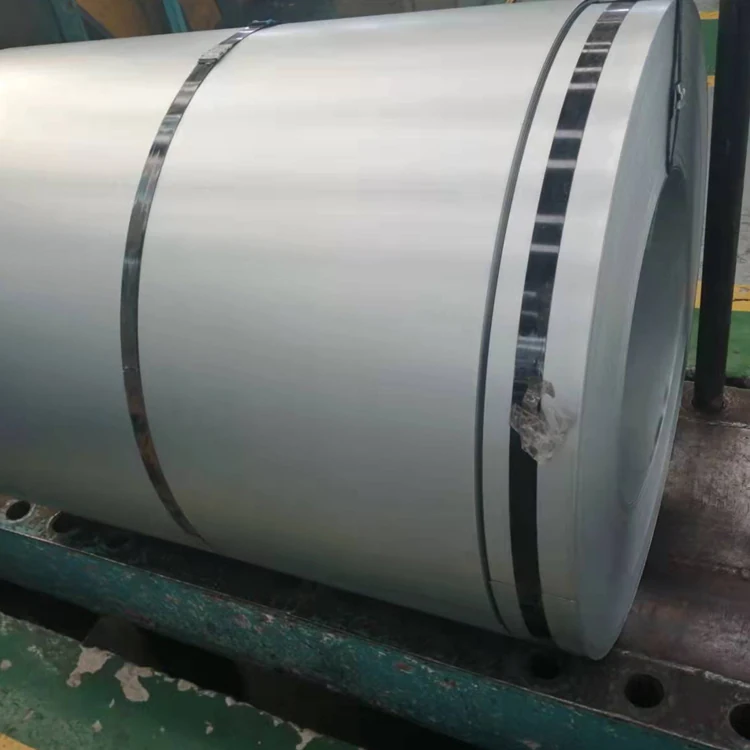
G60 is the coating grade of steel sheet after continuous hot dip plating process. G represents the "galvanized" or galvanized layer of the product. The number 60 refers to the thickness of the zinc around the steel sheet or the thickness of the entire double-sided coating. To get the amount of galvanizing on one side, you need to divide this number by two.
Galvanized steel sheet G60 is coated with molten zinc. After the continuous coating process at a speed of 600 feet per minute, the excess zinc on the steel plate is removed by high-pressure air. This is in order to produce the desired coating thickness. After cooling, the sheet is rolled into a roll, ready for manufacturing.
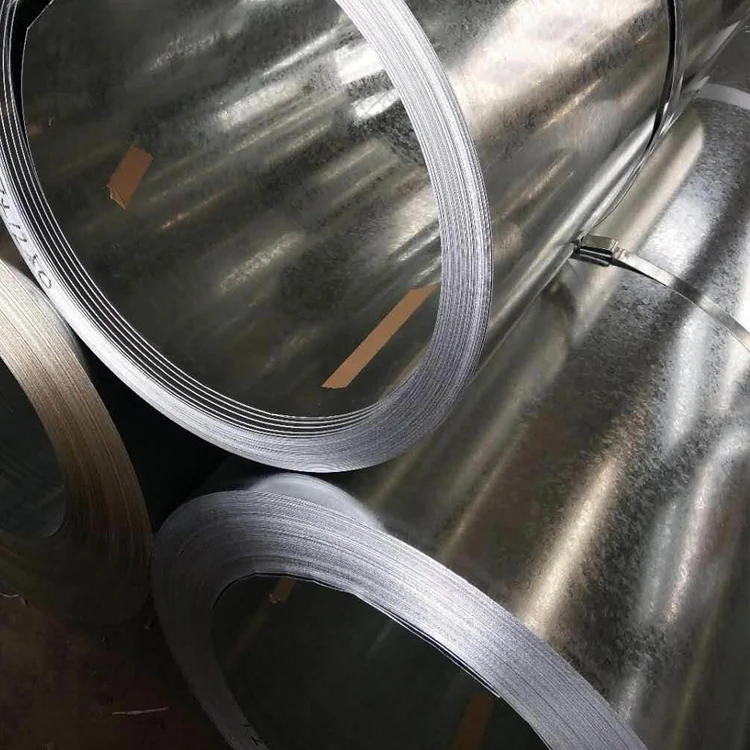
The coating designation G40 represents the type of coating and the weight of the applied coating. The letter "G" indicates that the coating is galvanized, meaning zinc-based. Meanwhile, the number "40" represents the weight of zinc on the surface of the steel sheet.
Galvanized steel coils are covered with a zinc coating to provide corrosion resistance. G40 galvanized steel coil is a galvanized layer name or A653 standard specification specified in the hot-dip coating process galvanized (galvanized) or zinc-iron alloy (galvanized) steel sheet requirements. The G40 protective coating prevents moisture from reaching the steel structure, thereby improving the corrosion resistance of the steel. This can extend the life expectancy of the steel. G40 is the average coat weight and therefore provides moderate protection.
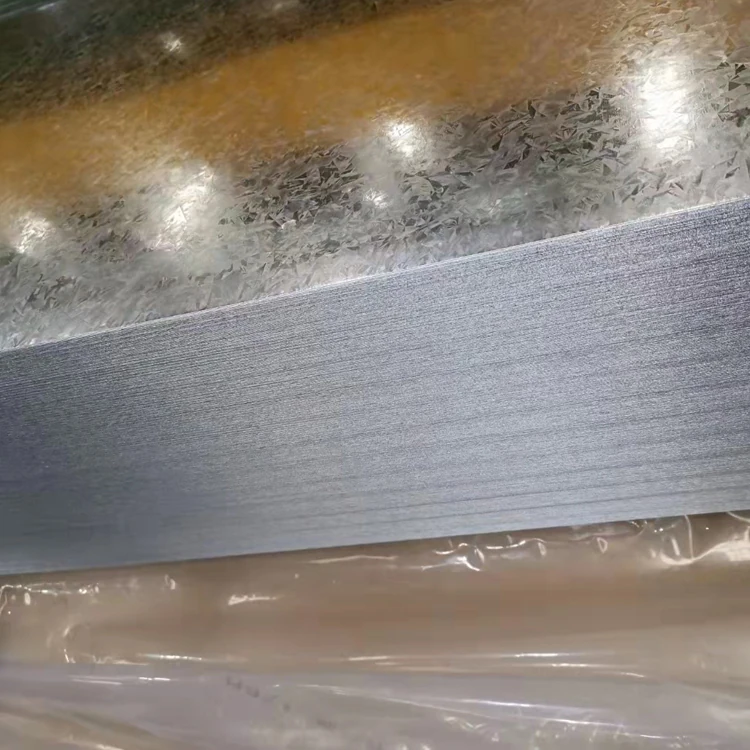
Z120 is the coating name, which means that the coating thickness on both sides is approximately 120g/㎡ or 36g/㎡ (three-point test) and 90g/㎡ (single-point test).
Z120 grade galvanized steel coil is coated with zinc to make it more durable. The working principle of the process is to immerse the coiled steel plate in a galvanizing tank filled with molten zinc. Through the continuous galvanizing process of the thin steel sheet, the galvanized coil is obtained. This type of steel has better formability and good paint adhesion in commercial or architectural use. Another method of producing galvanized steel sheet is through a hot-dip plating process. In this method, it is essential that the steel sheet is heat-treated at 500°C immediately after the exit of the can to form the alloy film coating.
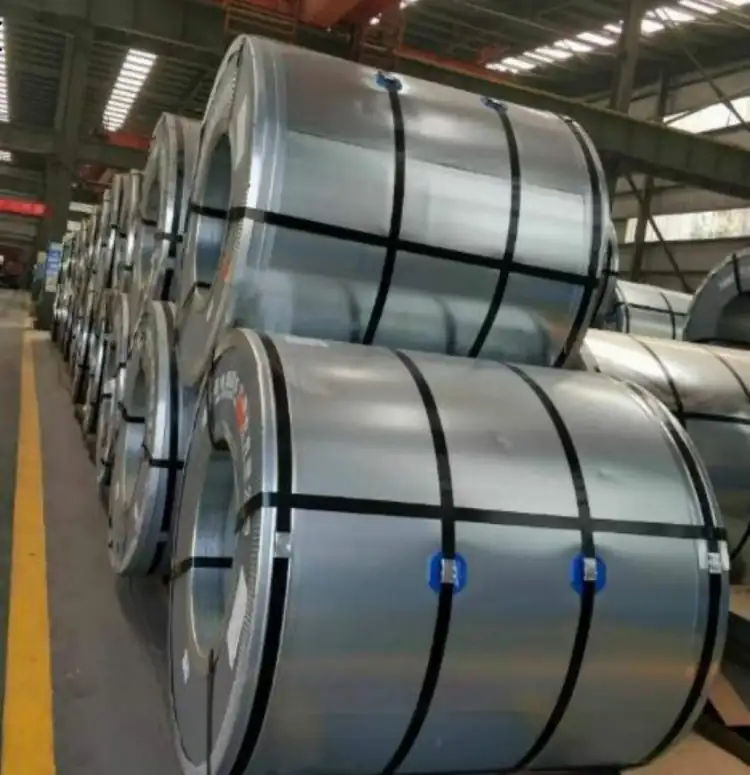
The galvanized steel coil Z275 is a double-sided galvanized carbon steel sheet. This is produced by a metal coating process that passes cold rolled coils through a bath filled with molten zinc. This continuous hot-dip plating or also known as electro-galvanizing is the main process that these carbon steel sheets must go through to produce coils and galvanized sheets. The process consists of applying zinc by electrolytic treatment. After the sheet is subjected to this treatment, a layer of zinc is adhered to the base metal through the iron and zinc bonding layer.
Galvanizing is a well-known and effective method to add a protective layer to prevent the exposed steel from being corroded by natural elements. Zinc not only acts as a barrier between the environment and the steel, but it also decomposes first to protect the underlying steel and extend its service life.

WhatsApp/Wechat:
E-Mail:
Factory Address:
Building 8, International Financial Center, Liaocheng Economic and Technological Development Zone, Shandong Province, China

Request a quote now and we'll give you the best deal!
Business License